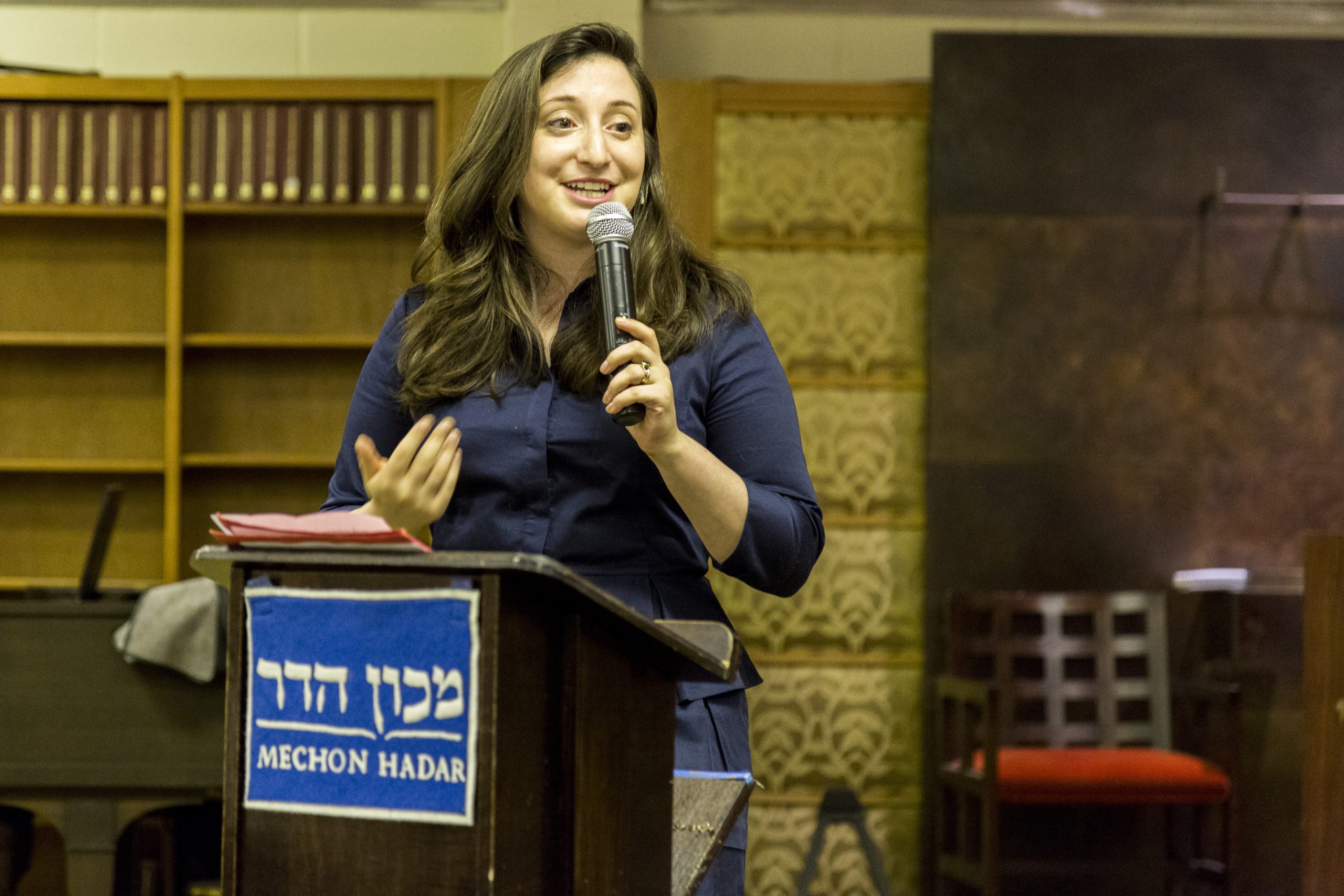

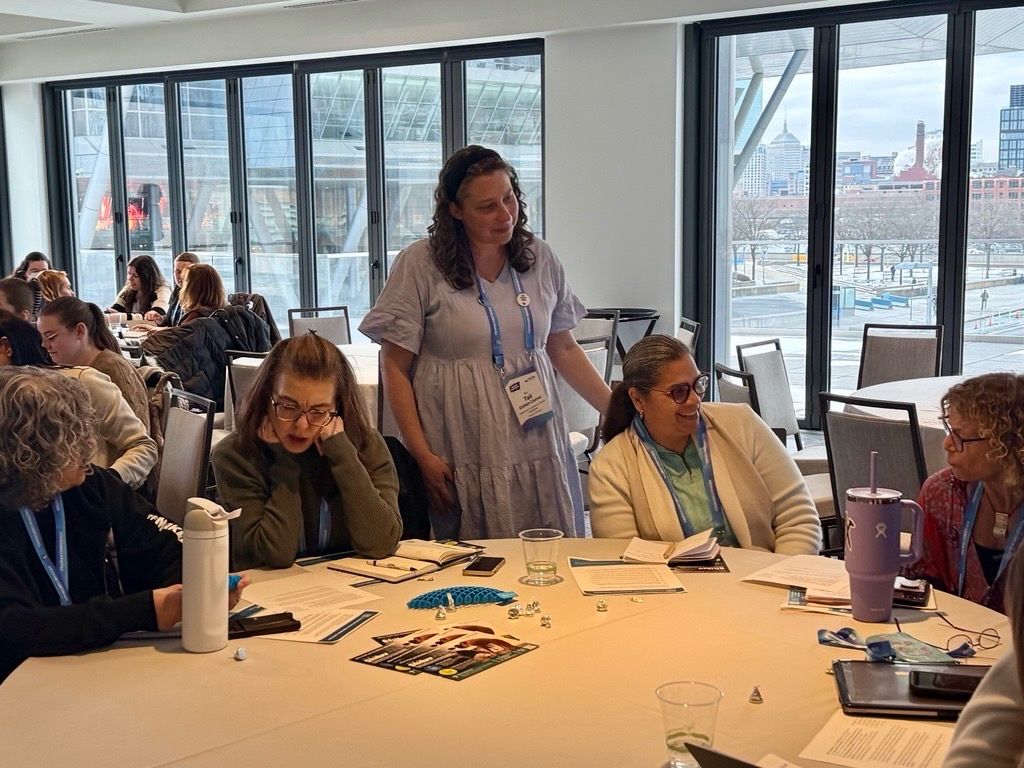
Tali Cohen Carrus is a Jewish special educator dedicated to advancing accessible and inclusive Jewish education. Based in Sharon, Massachusetts, she is the senior director of programs at Gateways: Access to Jewish Education. Tali also oversees Gateways’ specialized Hebrew school and b’nei mitzvah program for students whose needs are not met in other Jewish educational environments. Tali holds an M.S.Ed. in General and Special Education from Bank Street Graduate School of Education and is a certified DIR/Floortime play therapist, a certified instructor of Youth Mental Health First Aid, and a Nonviolent Crisis Intervention instructor. Additionally, she earned a certificate in Advanced Jewish Studies and Day School Education from the Pardes Center for Jewish Educators and is an alumna of the Wexner Graduate Fellowship/Davidson Scholarship.
Editor’s Note: Tali recently welcomed a new baby into her family and was on parental leave as we were editing this edition of Sight Line. In lieu of an interview, we’ve compiled links and content from Tali so that you may learn about her work.
Some recent articles by Tali, and about her work:
A Neurodivergent-Affirming Bar Mitzvah | Gateways: Access to Jewish Education
Some recent musings from Tali about her work:
As I prepare for parental leave, I’ve been reflecting on how grateful I am to work alongside colleagues, educators, families, and partners who are deeply committed to creating more inclusive Jewish communities. It is a privilege to learn from so many of you and to work together to expand access, belonging, and meaningful participation for children with disabilities and their families.
I’m especially proud of what our team at Gateways: Access to Jewish Education has accomplished over the past year—from supporting students and families, to developing new professional learning opportunities, to continuing to advocate for inclusive and accessible Jewish education. I’m incredibly thankful for my dedicated colleagues who will continue advancing this work, enabling me to be fully present with my growing family.
On the necessity of inclusive education:
When the very institutions families turn to for support instead communicate, explicitly or implicitly, that a child doesn’t belong, the impact can be profound. It can shape parents’ confidence, influence whether families continue to seek out Jewish community, and affect a child’s sense of belonging.
If we want truly inclusive communities, we need to equip educators and leaders with the knowledge, coaching, resources, and ongoing support to meet the needs of diverse learners. Inclusion isn’t just about welcoming children through the door; it’s about ensuring they can thrive once they’re there.
On what families need to feel heard:
As the school year wraps up and parents and educators begin looking ahead to next year, we’ve seen an influx of families reaching out as they search for the “just right” fit for their child’s Jewish educational experience. Just this week, I spoke with four different parents who were feeling overwhelmed and nearly hopeless as they tried to envision a path forward for their children with a wide range of disabilities and support needs. Despite the differences in each child’s profile, there were strikingly similar themes across all of their stories.
- Good intentions aren’t enough.
Each family had encountered synagogues, clergy, and educators who genuinely cared. But without the expertise, structures, and support needed to meaningfully include their child, those good intentions often led to frustration and disconnect.
- Families need support envisioning what’s possible.
There are still far too few visible examples of what success can look like for children with disabilities on the path to b’nei mitzvah and beyond. Parents need models they can point to and say, “Yes. I can see that working for my child.”
- Families need to feel heard and understood.
So many parents feel isolated and alone, misunderstood by professionals and by the broader community despite everyone’s best intentions. Every family deserves to feel embraced, supported, and understood.
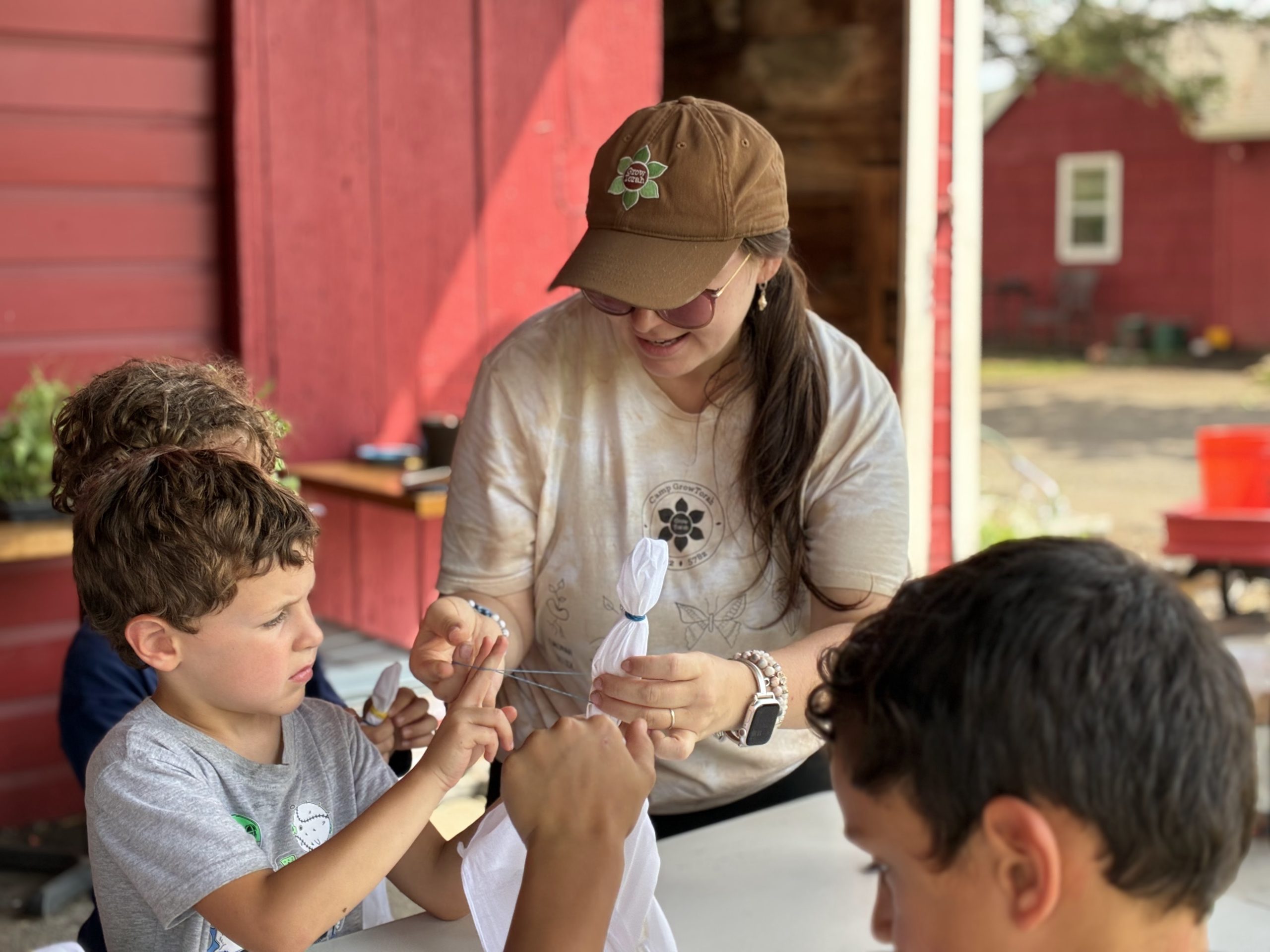
On how camp makes a difference
One of the ideas that resonated most with me from The Anxious Generation is that children need opportunities for independence, unstructured play, and real-world experiences. Camp creates exactly that kind of environment. Kids spend their days outside, build confidence, solve problems with peers, and discover capabilities they didn’t know they had, all within a supportive community that encourages them to stretch and grow.
As both a parent and an educator, I’m struck by how rare these opportunities have become. While I’m helping my overtired children navigate big feelings this week, I’m also celebrating what those feelings represent: a full day of learning, exploring, connecting, and growing.