ARTICLE The Covenant Salon Series: Fostering Open Dialogue Through Books and Art
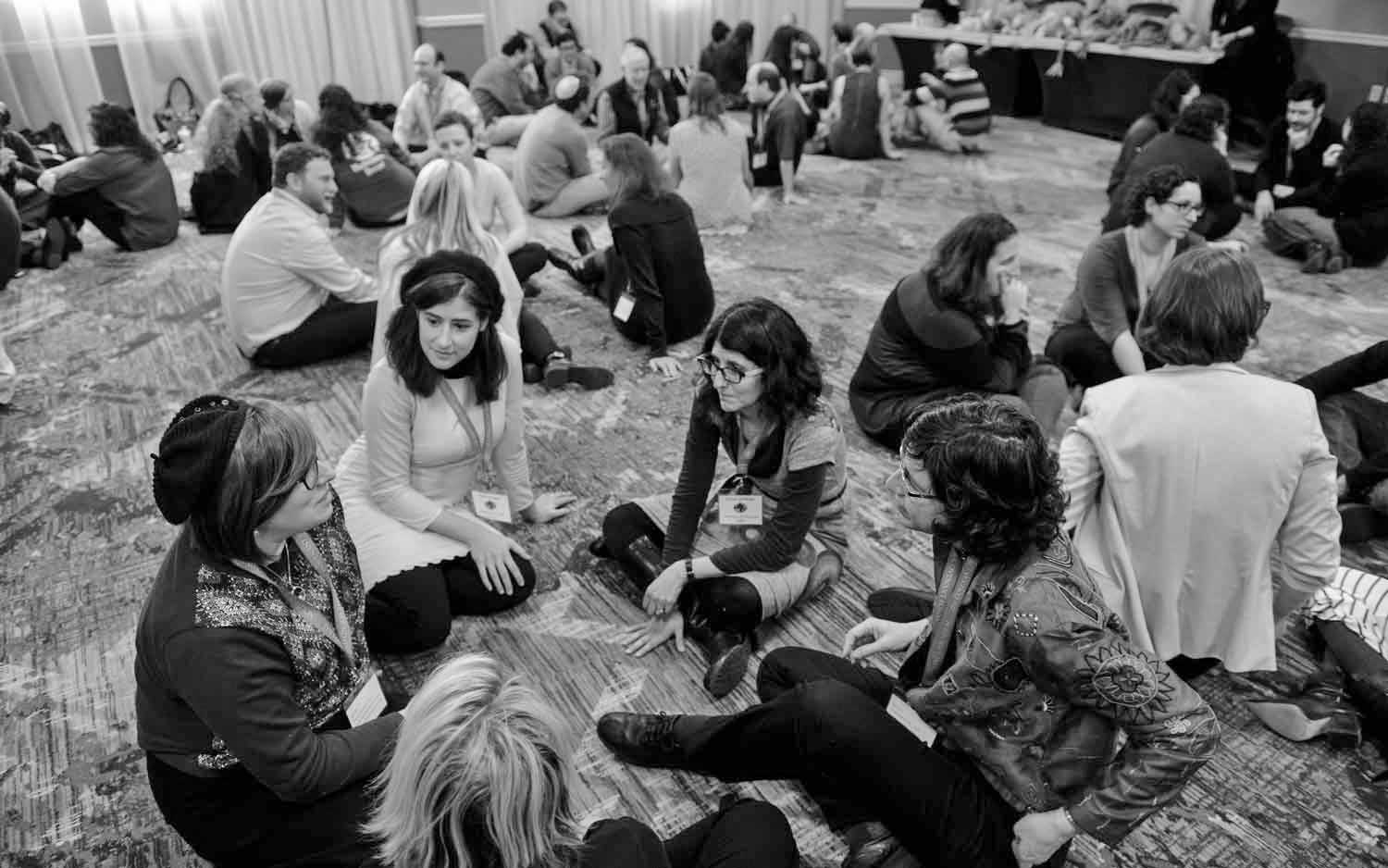
The Covenant Salon Series brings writing to life through dynamic conversations with authors, educators, and thought leaders from across the Covenant community. Held online and in person, each Salon centers a timely book or article that sparks ideas, questions, and connection. These gatherings serve as a dynamic platform for our community to be in conversation, exploring how shared stories, diverse perspectives, art and ideas all serve to strengthen the foundations of democracy and open dialogue.
This January, we launched the series with an online conversation featuring Covenant Board member Dr. Jonathan Krasner—Jack, Joseph and Morton Mandel Chair of Jewish Education Research at Brandeis University—in dialogue with Covenant grantee Dr. Judith Rosenbaum, CEO of The Jewish Women’s Archive.
In the recorded conversation below, Krasner and Rosenbaum discuss Krasner’s recent article, Between Home and Homeland: Jewish College Students Confront the Israel-Gaza Conflict and Campus Divides, which examines the experiences of Jewish college students on more than 20 campuses in the wake of the October 7 attacks, and the global rise in antisemitism.
Listen as these two thought leaders unpack the study’s findings, reflect on the urgent need for meaningful dialogue on college campuses, and explore the vital role Jewish institutions can play in these deeply challenging times.
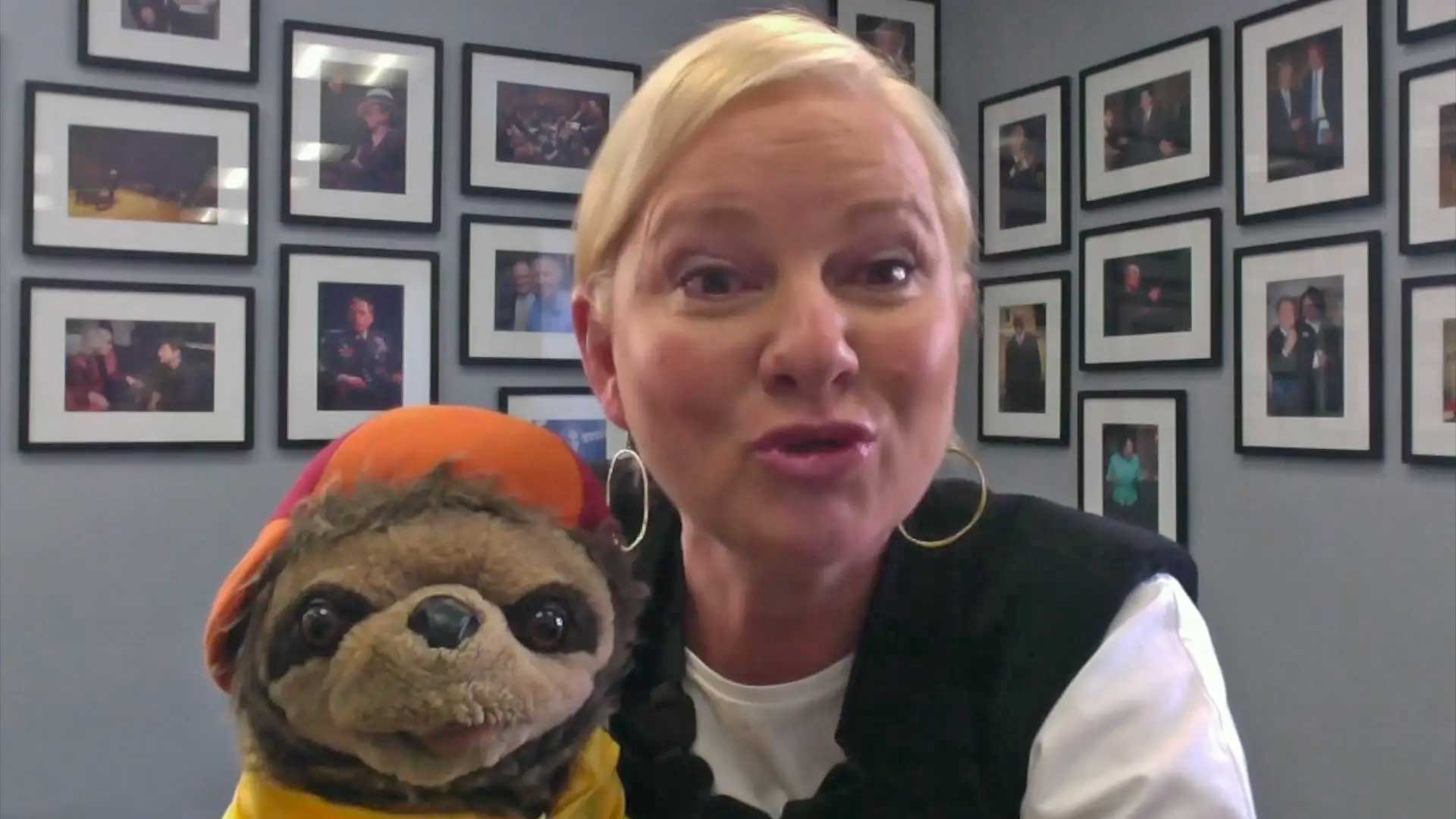
Our February Salon Series featured Dr. Miriam Udel, Director of the Tam Institute of Jewish Studies and associate professor of Yiddish language, literature, and culture at Emory University, and 2025 Covenant Foundation Jewish Family Education Fellow, in conversation with Dr. Annie Polland, President of the Tenement Museum and a Covenant Board member.
The recorded event centered on Miriam’s newest book Modern Jewish Worldmaking Through Yiddish Children’s Literature. They discussed the political ideologies represented in twentieth century Yiddish children’s literature and how this canon of stories has helped new generations bridge the gap between an increasingly modern world and ancient Jewish tradition. As Miriam writes, "While these tales are important for the sake of young readers, they are just as critical for us adults to share. Those of us watching the news with a sense of despair need these stories, both their gentleness and their moral fierceness. Children’s literature can’t solve these problems. But it creates an arena in which to dream, an essential redoubt for rational hope. And without hope, nothing good will come.”
Listen to a recording of their conversation, below.

Latest Volumes
Past Volumes
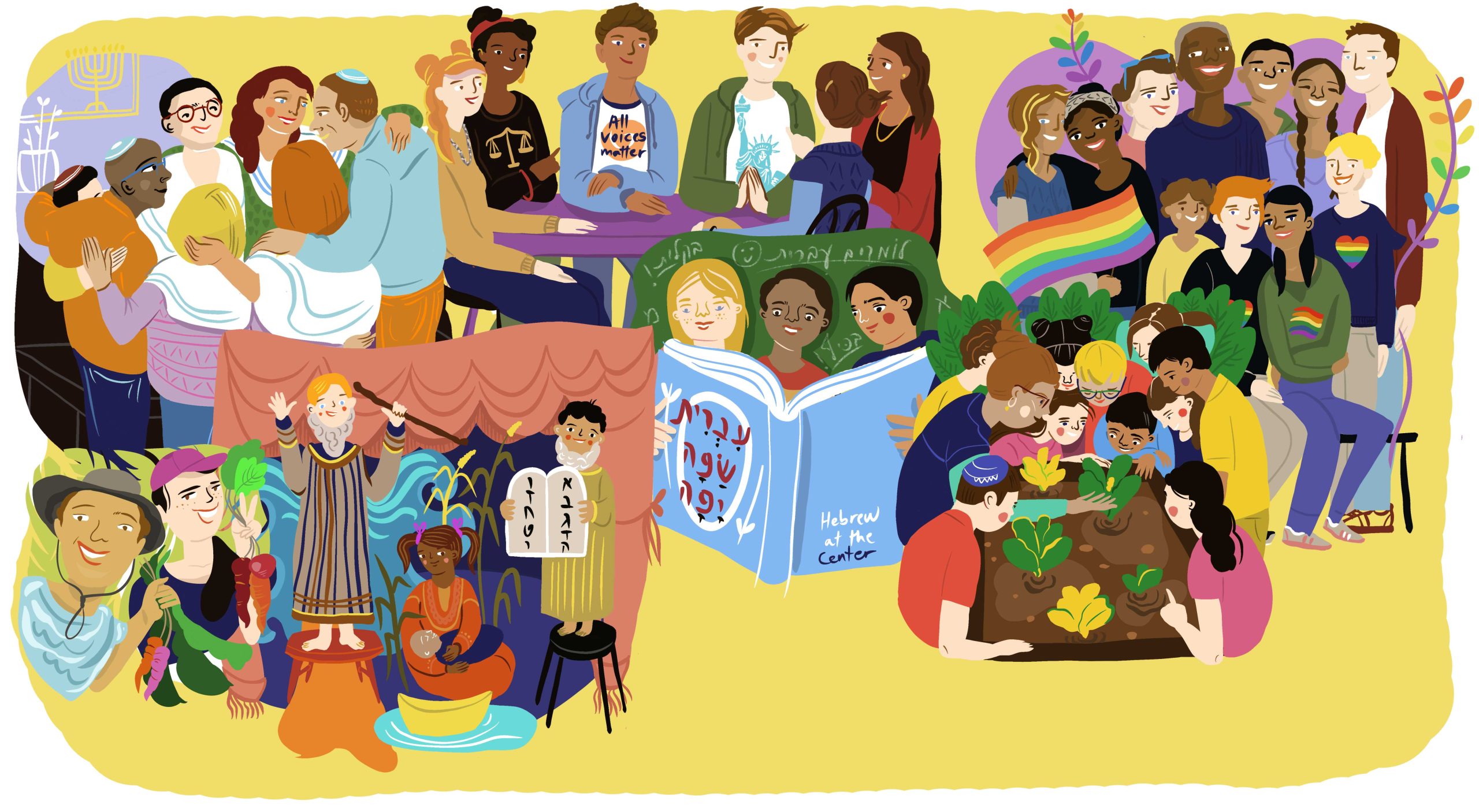







Built On the Roots of Tradition: New Models in Jewish Supplementary Education